
As a seasoned supplier of Linen Lanterns, I'm often asked about the materials required to craft these beautiful and versatile lighting fixtures. Linen lanterns have become a popular choice for various events, from weddings and parties to everyday home decor, due to their warm, inviting glow and rustic charm. In this blog post, I'll delve into the essential materials needed to make linen lanterns, providing you with a comprehensive guide to help you understand the components that go into these stunning creations.
Linen Fabric
The most obvious and crucial material for making linen lanterns is, of course, linen fabric. Linen is a natural fiber made from the flax plant, known for its durability, breathability, and unique texture. When used in lanterns, linen fabric diffuses light beautifully, creating a soft, warm glow that adds a touch of elegance to any space.


When selecting linen fabric for your lanterns, look for high-quality, tightly woven linen that is free from any visible flaws or irregularities. The weight of the linen can vary depending on your preference and the size of the lantern you're making. Generally, a medium-weight linen is a good choice, as it provides a balance between durability and translucency.
You can find linen fabric in a variety of colors and patterns, allowing you to customize your lanterns to match your decor or theme. Whether you prefer a classic white linen for a timeless look or a bold, colorful fabric for a more vibrant statement, there's a linen option to suit every style.
Frame
The frame is the structure that gives your linen lantern its shape and support. There are several materials you can use to create the frame, each with its own advantages and disadvantages.
- Wire: Wire is a popular choice for lantern frames because it is flexible, easy to work with, and can be shaped into various designs. You can use a variety of wire gauges, depending on the size and weight of your lantern. Thicker wire is more sturdy and suitable for larger lanterns, while thinner wire is more flexible and ideal for smaller, more delicate designs.
- Wood: Wood frames add a natural, rustic touch to linen lanterns. You can use a variety of woods, such as pine, cedar, or bamboo, depending on your preference and the overall style of your lantern. Wood frames can be cut and shaped using basic woodworking tools, and they can be stained or painted to match your decor.
- Plastic: Plastic frames are lightweight, durable, and easy to clean. They are a good option for outdoor lanterns or for lanterns that will be used in high-traffic areas. Plastic frames can be purchased in a variety of shapes and sizes, or you can create your own using plastic pipes or tubing.
Lighting Source
The lighting source is what gives your linen lantern its warm, inviting glow. There are several options available, each with its own advantages and disadvantages.
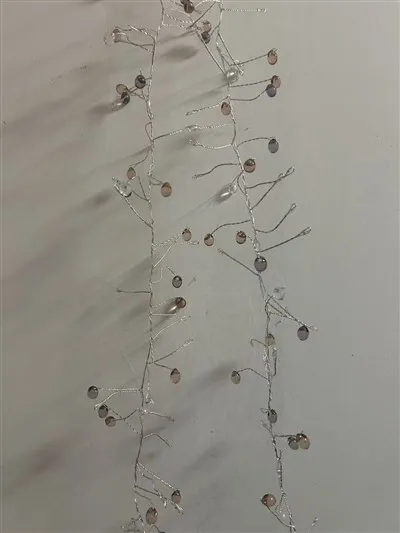
- LED Lights: Led Lantern String Lights are a popular choice for linen lanterns because they are energy-efficient, long-lasting, and come in a variety of colors and styles. LED lights are also cool to the touch, making them safe to use in lanterns. You can purchase LED string lights in a variety of lengths and bulb sizes, allowing you to customize the lighting effect of your lantern.
- Candles: Candles add a romantic, cozy atmosphere to linen lanterns. However, they require careful handling and can be a fire hazard if not used properly. If you choose to use candles in your lanterns, make sure to use a candle holder that is stable and secure, and keep the candles away from flammable materials.
- Battery-Operated Lights: Battery-operated lights are a convenient option for lanterns that will be used in areas where there is no access to electricity. They are easy to install and can be turned on and off with the flip of a switch. Battery-operated lights come in a variety of styles and colors, allowing you to customize the lighting effect of your lantern.
Additional Materials
In addition to the main materials mentioned above, there are several other materials you may need to make your linen lanterns. These include:
- Scissors: You'll need a good pair of scissors to cut the linen fabric and any other materials you'll be using.
- Needle and Thread: A needle and thread are essential for sewing the linen fabric together to create the lantern shape.
- Glue: Glue can be used to attach the linen fabric to the frame or to secure any other components of the lantern.
- Decorative Elements: You can add decorative elements to your lanterns, such as ribbons, beads, or flowers, to make them more unique and personalized.
Conclusion
Making linen lanterns is a fun and rewarding DIY project that allows you to create beautiful, one-of-a-kind lighting fixtures for your home or event. By using high-quality materials and following the steps outlined in this blog post, you can create linen lanterns that will add a touch of warmth and elegance to any space.
If you're interested in purchasing high-quality linen lanterns or the materials needed to make them, please don't hesitate to contact us. We're a leading supplier of Linen Lanterns and other lighting products, and we're committed to providing our customers with the best possible products and service. Whether you're looking for a single lantern for your home or a large quantity of lanterns for an event, we can help you find the perfect solution.
References
- "Linen: A Natural Fiber with Many Uses." The Spruce Crafts.
- "How to Make a Linen Lantern." Martha Stewart.
- "LED Lighting: A Guide to Energy-Efficient Lighting." Energy.gov.