
Can Sequin String Lights Be Used in a Museum?
As a supplier of Sequin String Lights, I've often been asked about the feasibility of using our products in museums. This question is not only relevant to the aesthetic enhancement of museum spaces but also involves considerations of conservation, safety, and compliance with museum standards. In this blog post, I'll explore the potential use of sequin string lights in museums, weighing the pros and cons, and providing some insights for museum curators and designers.
Advantages of Using Sequin String Lights in Museums
-
Aesthetic Appeal
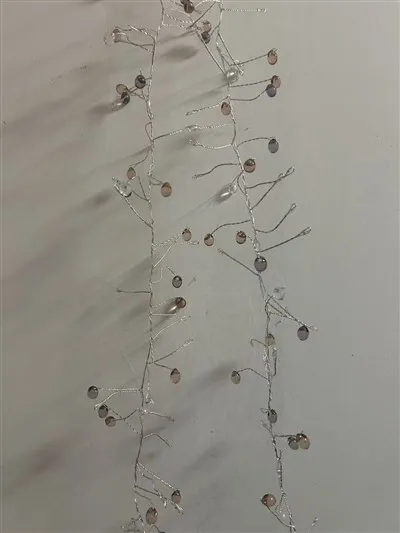
Sequin string lights can add a touch of glamour and visual interest to museum exhibits. The reflective nature of the sequins creates a dynamic and eye - catching effect, especially in low - light environments. They can be used to highlight specific artifacts or areas within the museum, drawing visitors' attention and enhancing the overall atmosphere. For example, in a historical exhibit, sequin string lights could be used to create a sense of the opulence of a bygone era. -
Versatility
Our Sequin String Lights come in a variety of colors, lengths, and styles. This allows museum curators to customize the lighting to suit the theme and mood of different exhibits. Whether it's a modern art installation or a traditional cultural display, sequin string lights can be adapted to fit the aesthetic requirements. They can be hung in different patterns, such as cascading from the ceiling or wrapped around columns, adding a unique and creative element to the space. -
Cost - Effective Lighting Solution
Compared to some traditional lighting systems, sequin string lights are relatively inexpensive. They consume less energy, which can result in cost savings for museums, especially those with large exhibition spaces. Additionally, they are easy to install and can be reused for different exhibits, making them a practical choice for budget - conscious institutions.
Considerations and Challenges
-
Conservation Concerns
Museums are responsible for the preservation of valuable artifacts. The heat and light emitted by sequin string lights could potentially damage sensitive materials. For example, excessive heat can cause fading, warping, or deterioration of textiles, paper, and paintings. It's crucial to ensure that the lights are installed at a safe distance from artifacts and that the light intensity and temperature are carefully monitored.

-
Safety Regulations
Museums must comply with strict safety regulations. Sequin string lights need to meet electrical safety standards to prevent the risk of fire or electrical shock. It's important to use high - quality lights that are UL - listed or meet other relevant safety certifications. Additionally, proper installation and maintenance are essential to ensure the safety of both the exhibits and the visitors. -
Distraction from the Exhibits
While sequin string lights can enhance the aesthetic appeal of a museum, there is a risk that they may become a distraction from the main exhibits. Curators need to carefully consider the placement and intensity of the lights to ensure that they complement the artifacts rather than overshadow them.
Best Practices for Using Sequin String Lights in Museums
-
Consult with Conservation Experts
Before installing sequin string lights, it's advisable to consult with museum conservation experts. They can provide guidance on the appropriate use of lighting to minimize the risk of damage to artifacts. They may recommend specific types of lights, installation distances, and light levels based on the nature of the exhibits. -
Test the Lights
Conduct a test installation in a non - critical area of the museum to evaluate the impact of the sequin string lights on the exhibits. This will allow you to assess the lighting effects, heat generation, and any potential distractions. Make adjustments as needed before installing the lights in the main exhibition areas. -
Coordinate with Museum Staff
Work closely with museum staff, including curators, designers, and security personnel. They can provide valuable insights into the specific requirements of the museum and help ensure that the installation of the sequin string lights is in line with the overall museum experience.
Other Types of String Lights for Museum Use
In addition to sequin string lights, there are other types of string lights that may be suitable for museum applications. Our Gemstone Fairy Lights offer a more delicate and ethereal look, which can be ideal for creating a soft and dreamy atmosphere. The gemstones add a touch of elegance and can be used to enhance the beauty of jewelry or other precious artifacts.
Geometric String Lights are another option. Their unique shapes and patterns can add a modern and contemporary element to museum exhibits. They can be used to create interesting visual effects and draw attention to specific areas of the display.
Conclusion
Sequin string lights can be a great addition to museum spaces, offering aesthetic appeal, versatility, and cost - effectiveness. However, it's important to carefully consider the conservation, safety, and distraction issues associated with their use. By following best practices and consulting with experts, museums can use sequin string lights to enhance the visitor experience while protecting their valuable artifacts.
If you're a museum curator, designer, or someone involved in museum planning and are interested in using our sequin string lights or other types of string lights for your exhibits, we'd love to have a discussion with you. Contact us to explore how our products can meet your specific needs and help create a unique and engaging museum environment.
References
- Museum Lighting Guidelines, International Council of Museums (ICOM)
- Lighting for Museum Exhibitions, National Gallery of Art, Washington D.C.